Archives
- 2026-06
- 2026-05
- 2026-04
- 2026-03
- 2026-02
- 2026-01
- 2025-12
- 2025-11
- 2025-10
- 2025-09
- 2025-03
- 2025-02
- 2025-01
- 2024-12
- 2024-11
- 2024-10
- 2024-09
- 2024-08
- 2024-07
- 2024-06
- 2024-05
- 2024-04
- 2024-03
- 2024-02
- 2024-01
- 2023-12
- 2023-11
- 2023-10
- 2023-09
- 2023-08
- 2023-07
- 2023-06
- 2023-05
- 2023-04
- 2023-03
- 2023-02
- 2023-01
- 2022-12
- 2022-11
- 2022-10
- 2022-09
- 2022-08
- 2022-07
- 2022-06
- 2022-05
- 2022-04
- 2022-03
- 2022-02
- 2022-01
- 2021-12
- 2021-11
- 2021-10
- 2021-09
- 2021-08
- 2021-07
- 2021-06
- 2021-05
- 2021-04
- 2021-03
- 2021-02
- 2021-01
- 2020-12
- 2020-11
- 2020-10
- 2020-09
- 2020-08
- 2020-07
- 2020-06
- 2020-05
- 2020-04
- 2020-03
- 2020-02
- 2020-01
- 2019-12
- 2019-11
- 2019-10
- 2019-09
- 2019-08
- 2018-07
-
BMS-303141 The androgen receptor AR is
2020-07-23
The androgen receptor (AR) is a steroid hormone receptor that plays a crucial role in the normal development of male reproductive tissues, and its high expression and/or relaxation of its regulation are strongly implicated in prostate cancer (PCa) [11]. Androgen binding induces conformational change
-
br Materials and methods br Results br Discussion
2020-07-22

Materials and methods Results Discussion Our results based on the Y2H analysis between the U-box-motif region of E3s and the UBC domain of E2s showed that, among 40 rice E2s, 11 E2s accounted for 70% of the interactions with 17 ARM-U-box E3 Ub-ligases (Fig. 2, Fig. 3). These 11 E2s belong t
-
Intriguingly one E residue may serve as a
2020-07-22
Intriguingly, one E2 residue may serve as a molecular ‘gate’ to allow the C-terminus of ubiquitin to access the closed E2~Ub conformations favorable for ubiquitin transfer. This residue, Asp87 in UbcH5 family members, resides on one side of the opening that leads to the active site Cys (Fig. 4D). I
-
The folate pathway plays an essential role in
2020-07-22
The folate pathway plays an essential role in cell survival by generating 5, 10-methylene tetrahydrofolate as a one-carbon donor for the synthesis of deoxythymidine monophosphate (dTMP), purines, methionine and histidine. Disruption of this pathway leads to the critical deficiency of these key molec
-
Sequence alignment of cfALDH with the
2020-07-22
Sequence alignment of cfALDH with the human ALDH1 indicates that the cyanobacterial protein contains the same GQCC motif as the human ALDH1 and ALDH2 proteins [24] (Fig. 1d, highlighted in red, and Supplementary Fig. 2). This motif is present in ALDH1/2 orthologues and these residues reside at the b
-
br DDR in atherosclerosis and vascular disease
2020-07-22
DDR1 in atherosclerosis and vascular disease The Canadian group of Bendeck, explored the role of DDR1 in repair following arterial injury in rats [30]. DDR1 protein levels, assessed via Western blots prepared from arterial extracts taken at various times after injury, showed DDR1 protein dramatic
-
br Acknowledgements This work was supported by
2020-07-22
Acknowledgements This work was supported by the National Institute of Neurologic Disorders and Stroke (U54 HD061222, 1K23 NS107646-01, and 1K12NS089417-01), Rocky Mountain Rett Association, International Foundation for CDKL5 Research, the Ponzio Family Chair in Neurology Research, and NHMRC Senio
-
br Acknowledgments The authors thank Elisabete Lepera and Ro
2020-07-22
Acknowledgments The authors thank Elisabete Lepera and Rosana Silva for technical support. The study was supported by FAPESP, CNPq and PADC/FCF-UNESP. T.T. Miguel was the recipient of a FAPESP (Proc. 05/05171-1) and R.L. Nunes-de-Souza of a CNPq (Proc. 303580/2009-7) fellowship. Introduction
-
Although the presence of at least
2020-07-22
Although the presence of at least one triple helix domain is typically the collagen signature, collagens are modular proteins composed of a succession of collagenous (COL) and non-collagenous domains (NC) that are both involved in collagen functions and in receptor binding. COL domains are linked by
-
Besides the assessment of toxicological effects immediately
2020-07-22
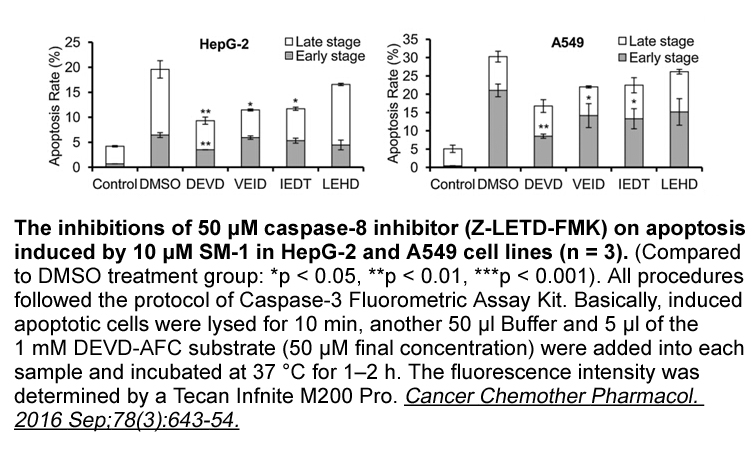
Besides the assessment of toxicological effects immediately after exposure, we also studied the potential recovery of the exposed organisms, through the quantification of ChE activity at specific time intervals after placing organisms in clean test medium. Recovery from chemical challenge, in this c
-
Evodiamine australia As the primary model we
2020-07-22
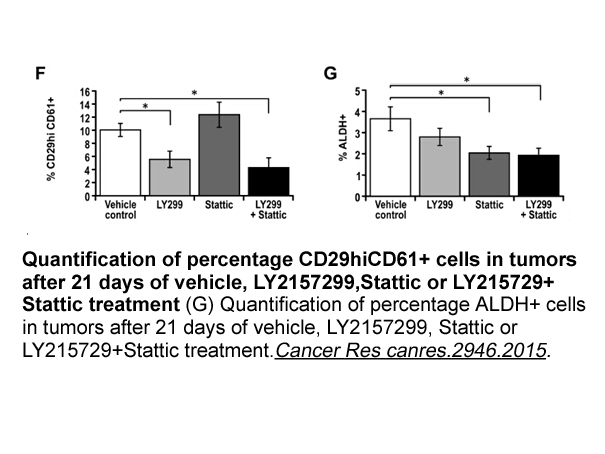
As the primary model we selected LDL-receptor knockout mice because these resemble the human plasma lipoprotein profile more closely. Currently, genetic models with reduced milk cholesterol content, which mimic cholesterol-free formula feeding, are unavailable. Thus, instead of modifying milk choles
-
KJ Pyr 9 br Prospect of DDR antagonist
2020-07-22
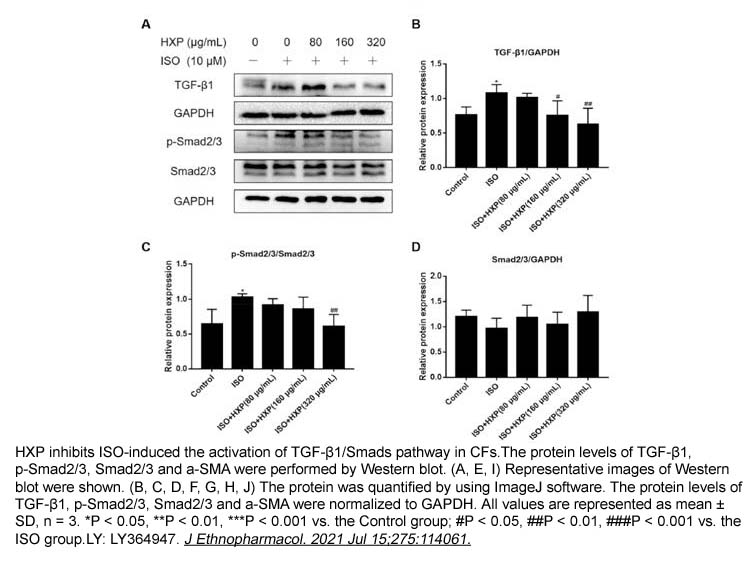
Prospect of DDR2 antagonist DDR2, a receptor of tyrosine kinase has been found now to be reported to play a significant role in onset of osteoarthritis at the early stage of diseases progression. The DDR2 are the receptor for extracellular collagen and activated upon the binding of collagen resul
-
Signal transduction through IL c FMS ligand
2020-07-21
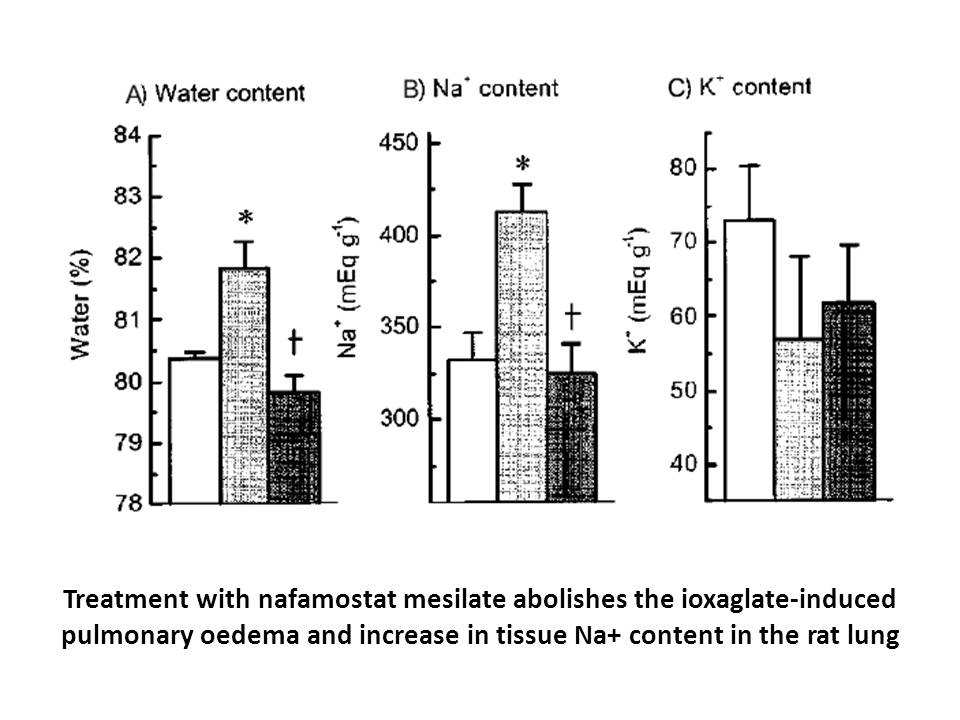
Signal transduction through IL-34/ c-FMS ligand receptor also leads to the differentiation, survival and, angiogenesis, proliferation, adhesion and migration of cells of the monocyte/macrophage lineage similar to that of CSF-1 through the various pathways-First is through FAK (Focal Adhesion Kinase)
-
Another option is to use
2020-07-21
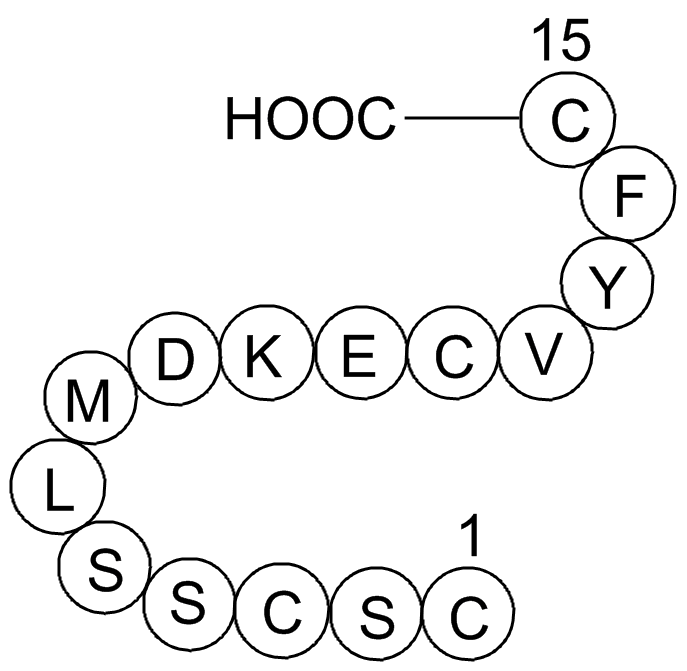
Another option is to use the thiol groups of cysteine residues, which can be modified by use of PEG-maleimide and vinyl sulfone. However, changes in PEGylation interactions or reaction conditions can result in changes in the functional properties of the therapeutic proteins [[50], [51], [52]]. A st
-
Several extragenic cot ts suppressors
2020-07-21

Several extragenic cot-1 (ts) suppressors have been identified. Among them, cytoplasmic dynein, dynactin, and nuclear distribution mutants of N. crassa, as well as an additional gene gul-1 (NCU01197), have been shown to have genetic interactions with cot-1 (Bruno et al., 1996, Seiler et al., 2006, T
14813 records 822/988 page Previous Next First page 上5页 821822823824825 下5页 Last page