Archives
- 2026-10
- 2026-09
- 2026-08
- 2026-07
- 2026-06
- 2026-05
- 2026-04
- 2026-03
- 2026-02
- 2026-01
- 2025-12
- 2025-11
- 2025-10
- 2025-09
- 2025-03
- 2025-02
- 2025-01
- 2024-12
- 2024-11
- 2024-10
- 2024-09
- 2024-08
- 2024-07
- 2024-06
- 2024-05
- 2024-04
- 2024-03
- 2024-02
- 2024-01
- 2023-12
- 2023-11
- 2023-10
- 2023-09
- 2023-08
- 2023-07
- 2023-06
- 2023-05
- 2023-04
- 2023-03
- 2023-02
- 2023-01
- 2022-12
- 2022-11
- 2022-10
- 2022-09
- 2022-08
- 2022-07
- 2022-06
- 2022-05
- 2022-04
- 2022-03
- 2022-02
- 2022-01
br A and tau in
2023-04-20
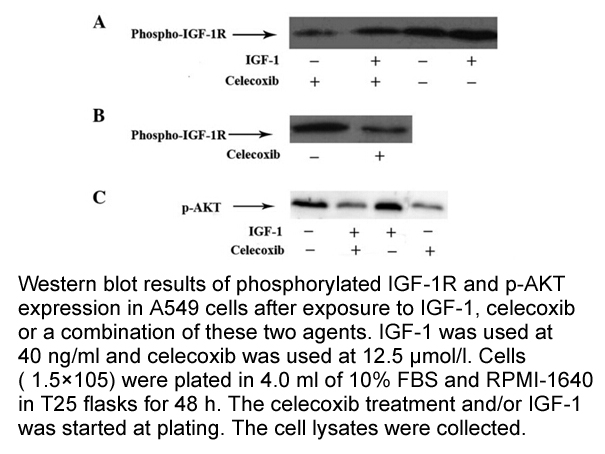
Aβ and tau in Alzheimer's disease The two classical histopathological hallmarks of AD are extracellular insoluble Aβ deposits, known as Aβ plaques, and intracellular accumulations of insoluble microtubule-associated tau protein, known as neurofibrillary tangles [14]. Aβ peptides are produced as a
rotenone Through an extensive SAR optimization campaign with
2023-04-20
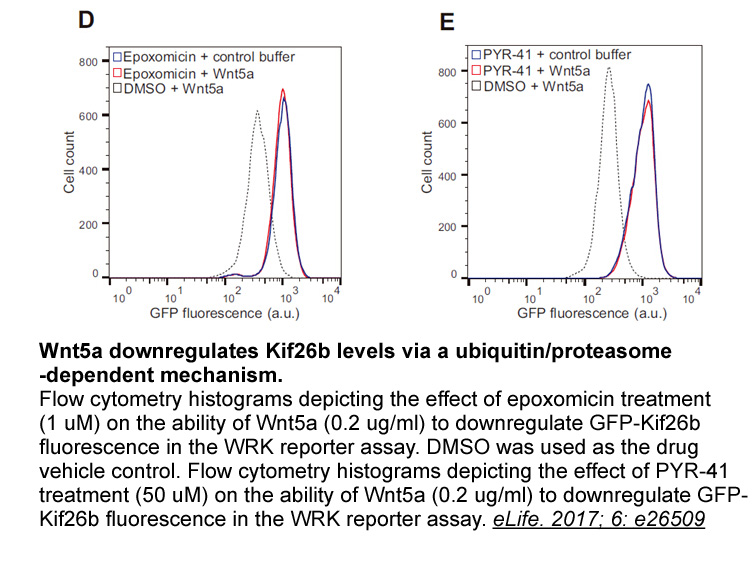
Through an extensive SAR optimization campaign with the 4-((2-hydroxy-3-methoxybenzyl)amino)-benzenesulfonamide-based scaffold researchers have developed ML355 ((N-benzo[d]thiazol-2-yl)-4((2-hydroxy-3 methoxybenzyl)amino)benzenesulfonamide) [5]. ML355 is a nonreductive, noncompetitive, reversible 12
The subdivision of HT receptors started in the
2023-04-19
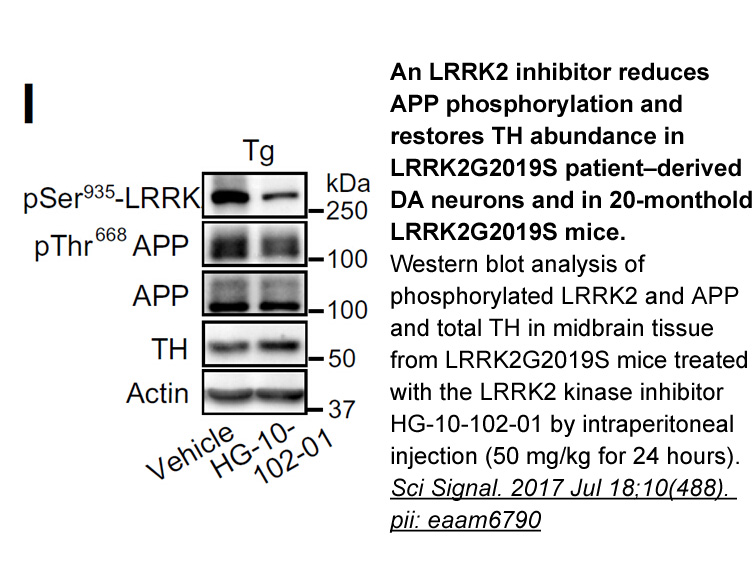
The subdivision of 5-HT receptors started in the 1950s by Gaddum and colleagues, when they realised that in the guinea pig ileum, the effects of 5-HT could be blocked in part by morphine (M), and in part by dibenzyline (D). Gaddum and Picarelli proposed two receptor classes, 5-HT M and 5-HT D (1957)
Transient transfection with ATR kinase dead D A and ATM
2023-04-18
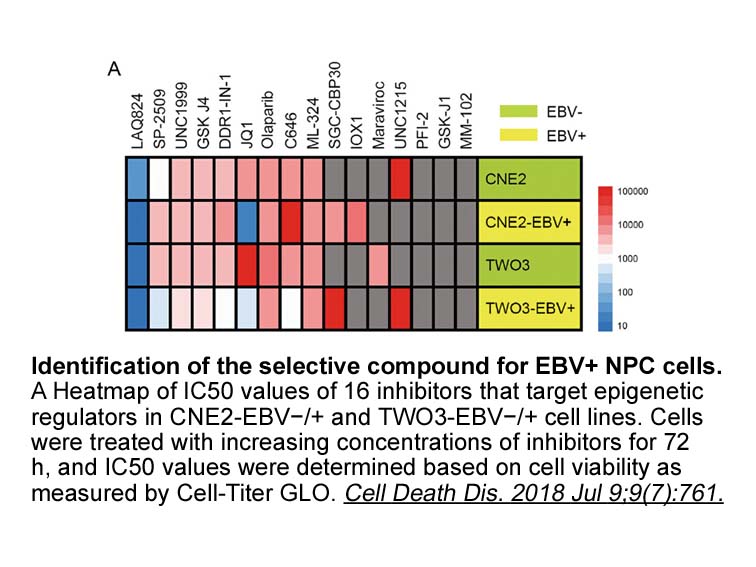
Transient transfection with ATR kinase-dead (D2475→A) [30] and ATM kinase-dead (D2870→Ala and N2875→K) [31] constructs was performed using Fugene 6 (Roche Applied Science, Indianapolis). Three microliters of fugene 6+1μg plasmid was used in transfections using 6-well plates at 2×10⁵ cells/well and a
The interaction of ATR ATRIP with RPA coated ssDNA is
2023-04-18
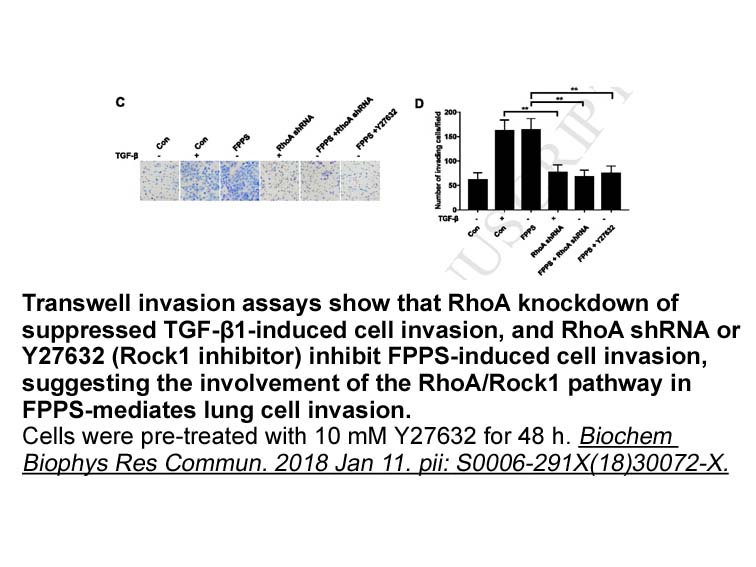
The interaction of ATR-ATRIP with RPA-coated ssDNA is sufficient for ATR-ATRIP recruitment to DNA lesions, but it is not sufficient to fully activate ATR. In response to DNA damage, the heterotrimeric ring-shaped complex 9-1-1 (RAD9-RAD1-HUS1 in humans; Ddc1-Rad17-Mec3 in S. cerevisiae) is loaded at
The transcription factor activator protein AP
2023-04-18
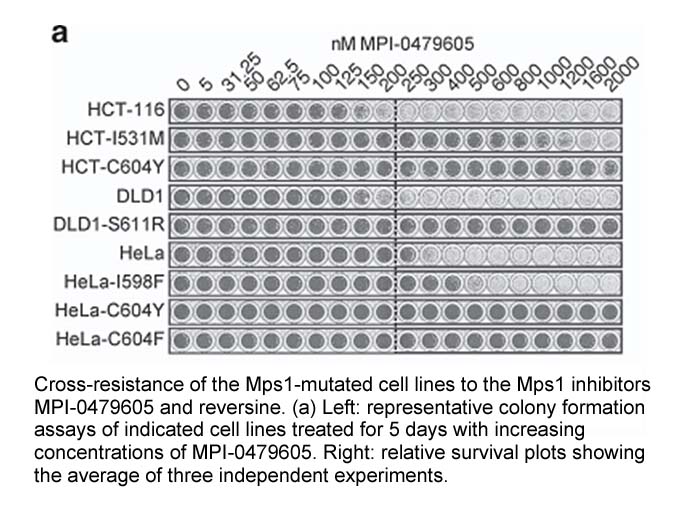
The transcription factor activator protein-1 (AP-1) is a redox-sensitive transcription factor whose activity is controlled by agents that perturb intracellular thiol concentrations [10,11]. AP-1 is mainly composed of Jun, Fos, and ATF protein dimers [12,13]. AP-1 mediates the regulation of numerous
Apelin is a bioactive peptide and endogenous ligand for
2023-04-18
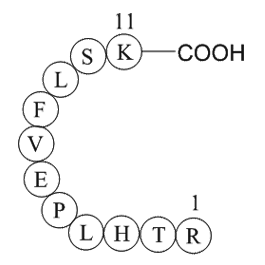
Apelin is a bioactive peptide and endogenous ligand for the APJ receptor (APLNR), a member of the G protein coupled receptor family that shares a similar sequence as the angiotensin type-1 receptor (AT1) [5]. Early studies demonstrated that the apelin/APLNR receptor axis plays a significant role in
Finally the comparison between data
2023-04-18
Finally, the comparison between data obtained by antioxidant assays in in vitro cultured cells [11], [12] and in liposomes has disclosed the possibility to choose more confidently “the better phenolipid” of a series of fatty acids esters antioxidant derivatives. Looking at the physical parameters th
Weak and transient interactions of HMGB proteins in such
2023-04-18
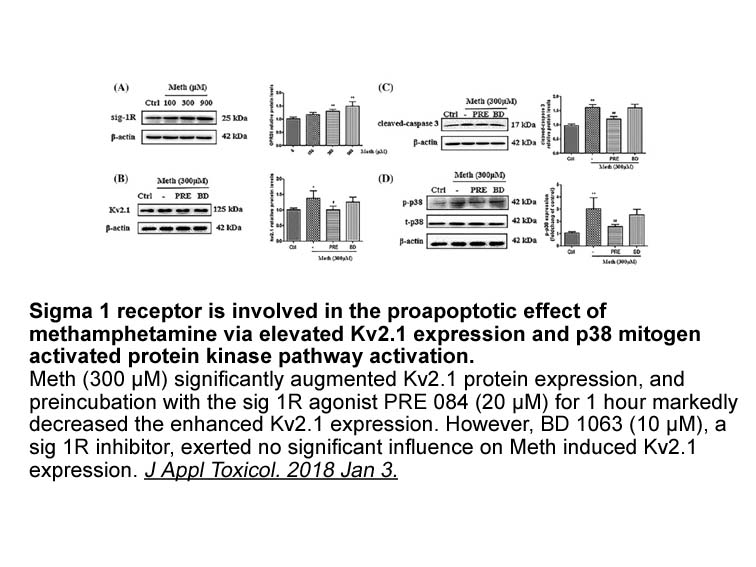
Weak and transient interactions of HMGB proteins in such hit-and-run mechanisms are understandable given that “fluorescence loss in photobleaching” (FLIP) experiments employing GFP-labeled HMGBs have shown that in living cells they are the most mobile of all nuclear proteins [144]. The entire pool o
Androgen receptor translocates from the cytoplasm
2023-04-17
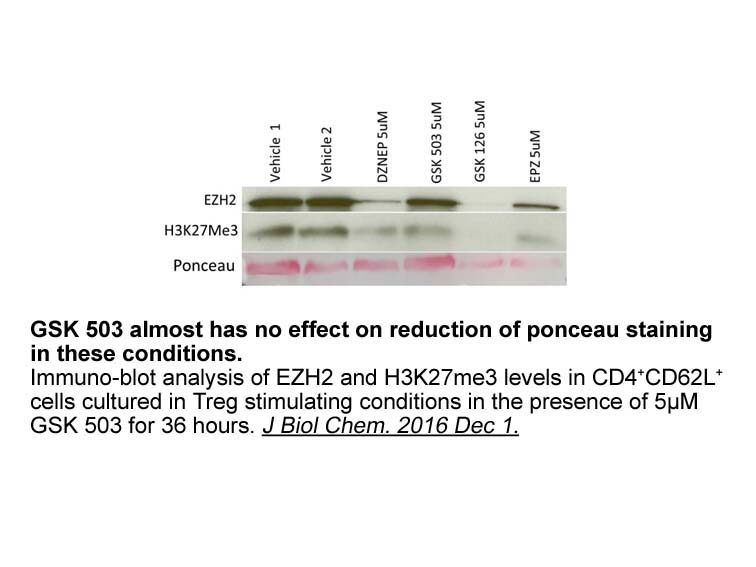
Androgen receptor translocates from the cytoplasm to the nucleus after binding to its ligands (Quigley et al., 1995). In the current study, although propofol did not significantly affect total androgen receptor protein levels, it significantly decreased nuclear androgen receptor levels. These findin
br Polymorphic variation ERAP is polymorphic and
2023-04-17
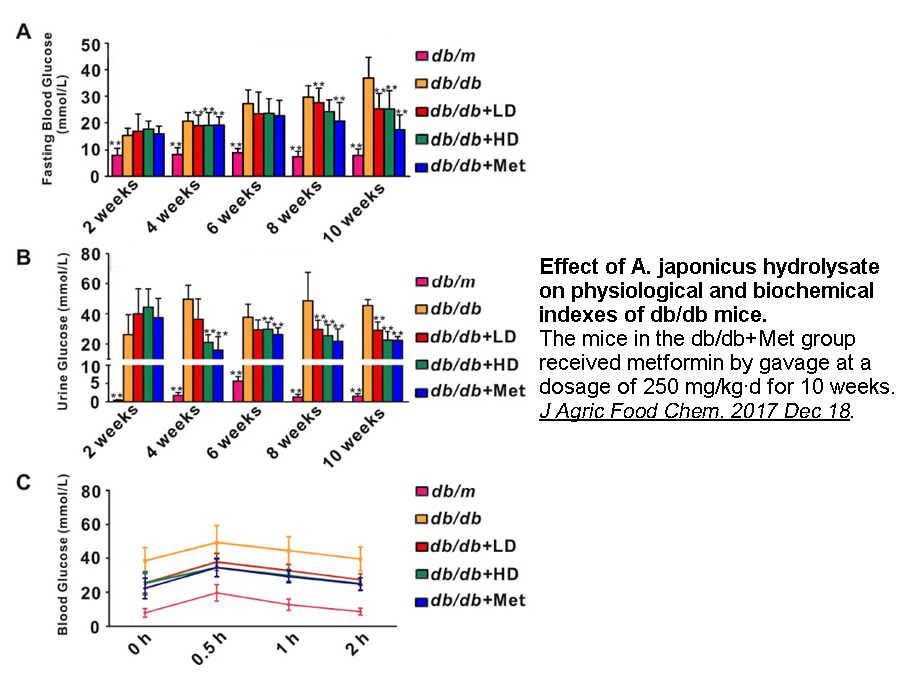
Polymorphic variation ERAP1 is polymorphic and several single nucleotide polymorphisms (SNPs) in its gene that encode amino salidroside mg changes have been associated with predisposition to a variety of diseases, ranging from viral infections to cancer and autoimmunity (Alvarez-Navarro and Lope
pregnane x receptor br Alzheimer s disease AD is an
2023-04-17
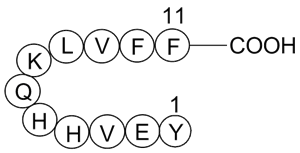
Alzheimer’s disease (AD) is an irreversible, age-associated neurodegenerative disorder that is characterized by progressive memory loss and cognitive decline. AD is also the leading cause of dementia, accounting for 5 million cases in the United States and 44 million cases worldwide. In 2015, AD c
Floxuridine Fig A shows a schematic representation of histol
2023-04-17
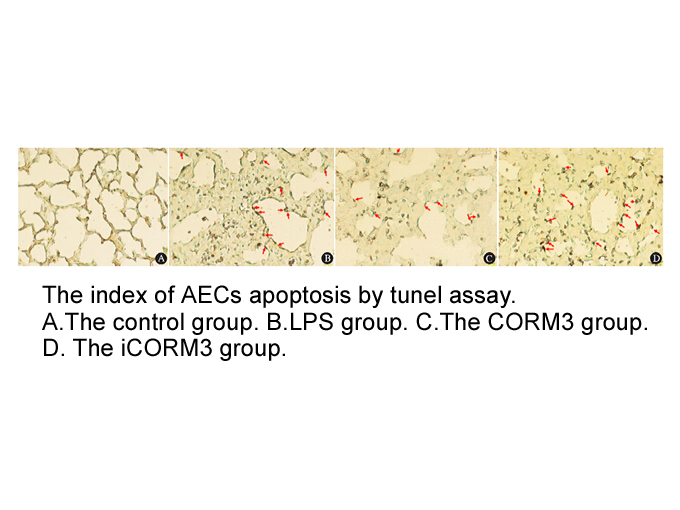
Fig. 2A shows a schematic representation of histological results according to the Franklin and Paxinos Mouse Brain Atlas (2001). The black circles represent the sites of drug infusion that were on-target within the amygdala. Gray circles represent the animals that had infusion locations outside the
In the past few years several experimental findings
2023-04-17
In the past few years, several experimental findings have demonstrated a pivotal involvement of adenosine also in driving the phenotypic switch of macrophages. In particular, the stimulation of A2A and A2B receptors seems to play a critical role in switching macrophages from M1 to M2 phenotype [37,6
br Experimental procedures Adk tg
2023-04-17
Experimental procedures Adk-tg (Adktm1−/−:tg(UbiAdk) mice were created by breeding a loxP-flanked Adk transgene under the control of a human ubiquitin promoter into ADK knockout mice (Fedele et al., 2005,). Fb-Adk-def (Adktm1−/−:tg(UbiAdk):Emx1-Cre-tg3) mice were generated by pairing Emx1-Cre-tg3
8158 records 341/544 page Previous Next First page 上5页 341342343344345 下5页 Last page